


Generated Title: The Robot Revolution? More Like a Robot Reality Check
The Hype vs. the Hard Numbers
Elon Musk envisions a world overrun by Optimus robots, promising everything from solving the labor shortage to, apparently, acting as parole officers. He even threw out a $30 trillion market cap figure for Tesla based on Optimus. (That's trillion, with a "t.") But let's pump the brakes for a moment and look at where we actually are.
The news cycle is filled with breathless reports about robots doing everything from rescuing wounded soldiers in Ukraine to folding laundry. It's easy to get swept up in the hype, especially when big names like Musk are making pronouncements about robot armies and 10x-ing the global economy. But what's the actual data telling us?
The Ukrainian robot rescue is genuinely impressive. A MAUL ground drone, essentially an armored casket on wheels, braved minefields and drone attacks to save a soldier trapped behind enemy lines for 33 days. The robot, now sold by DevDroid for around $19,000, traveled 40 miles, 23 of which were with a damaged wheel after hitting a mine. It’s a remarkable feat of engineering and a testament to the ingenuity born of necessity in wartime.
But before we start picturing robots storming the beaches of Normandy, let's consider the context. This wasn’t a fully autonomous operation. Humans were involved in planning the route, monitoring the robot, and ultimately extracting the soldier. The robot was a tool, albeit a sophisticated one, used by humans in a specific, high-stakes situation. It’s also not clear how often these missions succeed. The article mentions six failed attempts before the successful one. What were the failure rates? And how much does the "fog of war" contribute to these successes or failures? Robot rescues Ukrainian soldier trapped 33 days behind Russian lines, navigating minefields and mortar strikes
Musk's vision of Optimus acting as a robotic parole officer is…ambitious, to say the least. He suggests giving criminals a "free Optimus" that will "follow you around and stop you from doing crime." Setting aside the Orwellian implications of constant robotic surveillance, let's consider the practicalities. The robot would need to predict human behavior, possess advanced surveillance and combat capabilities, and operate autonomously for extended periods. He also wants to "control" all these robots, which, given his recent embrace of certain…questionable ideologies, should give anyone pause.
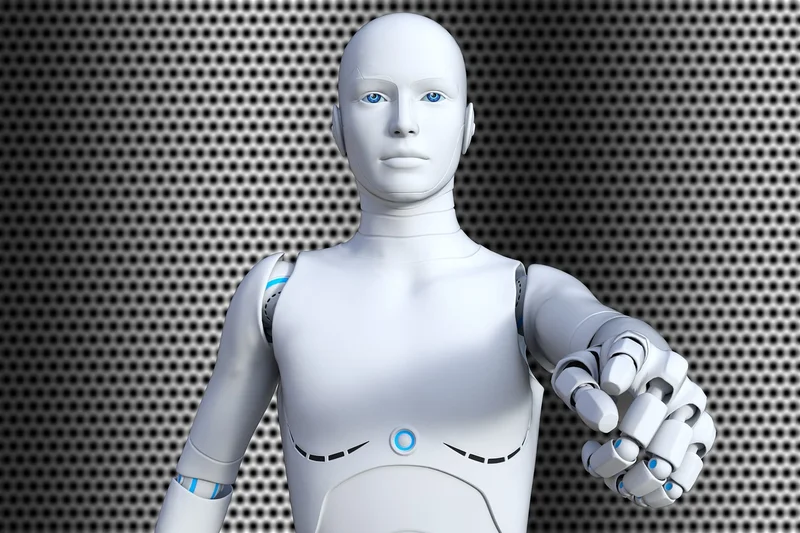
And this is the part of the report that I find genuinely puzzling. How do we reconcile Musk's libertarian posturing with his desire to control a massive robot surveillance network? It's a contradiction that suggests either a profound misunderstanding of libertarian principles or, more likely, a cynical manipulation of political rhetoric.
The Home Robot Mirage
Then there's the promise of robots in our homes, doing the dishes and folding our laundry. 1X's Neo robot, slated for launch in 2026 at a price of $20,000, is touted as a domestic helper. But a WSJ report revealed that Neo is currently controlled by a person wearing a VR headset. (A very expensive remote-control toy, then.) Forrester analyst Brian Hopkins believes that falling component costs and improvements in AI will make humanoid robots feasible for various settings by 2030. "From warehouses and restaurants to elder care and security, new use cases are gaining traction fast," he wrote.
But let's unpack that statement. "Gaining traction" doesn't necessarily mean widespread adoption or economic viability. It means that companies are exploring these use cases. The real question is: at what cost? And what level of performance can we realistically expect?
Morgan Stanley predicts Apple could earn $133 billion a year from robots by 2040. That's a big number, but it's also 16 years away. A lot can happen in 16 years. (Remember when everyone thought flying cars would be commonplace by now?) The report doesn't specify what kind of robots Apple would be selling, or at what price point. It's a projection based on assumptions about future technological advancements and consumer demand.
We’re consistently told that Tesla robots have “the potential to be more significant than the vehicle business." That's a bold claim, considering Tesla's current market capitalization (around $570 billion as of this writing). For Optimus to surpass that, it would need to generate hundreds of billions in annual revenue. Is that realistic? Given the current state of robotics technology and the numerous challenges involved in developing a truly useful humanoid robot, I'm skeptical.
A Reality Check
The robot revolution is coming…eventually. But it's not here yet. The technology is improving, but it's still far from delivering on the promises being made by the likes of Musk. The data suggests a much slower, more incremental path to widespread robot adoption. The hype is outpacing the reality.