

The Fed's "Well Managed" Standard: Or, How to Lower the Bar Without Anyone Noticing
Alright, so the Fed's gone and "updated" its supervisory ratings for big banks. What does that really mean? Let's be real, it sounds like a fancy way of saying they're lowering the bar.
The Illusion of Rigor
Michelle Bowman, bless her heart, claims these revisions "help ensure that overall firm condition is the primary consideration in a bank’s rating.” Oh, really? Because it sounds an awful lot like they're saying, "Hey, it's okay if you screw up in one area, as long as the rest of the house isn't completely on fire." I mean, come on.
They’re tweaking the definition of “well managed” so that a bank can have ONE "deficient-1" rating and still get a gold star. One! So, if a bank is crap at, say, liquidity risk management, but aces capital planning and governance, they’re still "well managed"? That’s like saying a car with one flat tire is still "road ready." Give me a break.
And what, pray tell, is a "deficient-1" rating anyway? Sounds like something straight out of a Dilbert comic. Are they just making up terms to confuse us?
BPI (Bank Policy Institute) seems thrilled, of course. Tabitha Edgens gushes that the updates "make it a more useful tool for regulators by calibrating supervisory measures to more accurately reflect risk." Translation: "We lobbied for this, and now it's easier for us to make money without those pesky regulations breathing down our necks." You can read the BPI Statement on Federal Reserve Changes to LFI Rating System online.
The Rate Cut Charade
And speaking of making money, let's not forget the Fed's little interest rate dance. They're expected to cut rates again. A quarter-point here, a quarter-point there... suddenly, we're back to the ZIRP (zero interest rate policy) days. Remember how well that worked out for everyone who wasn't already rich?
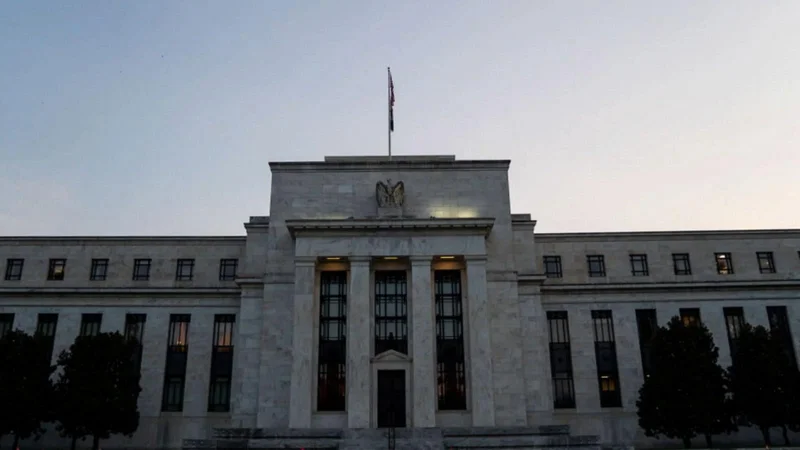
Economists are saying a rate cut is likely because inflation is "cooler than expected." Cooler than expected? It's still 3%! Are we supposed to throw a party because prices are only rising at a moderately alarming rate instead of a catastrophically alarming one?
The Fed has a "dual mandate" to keep inflation and unemployment low. But what happens when those two goals conflict? What happens when fighting inflation means tanking the job market? Do they even have a plan, or are they just winging it like the rest of us?
I saw some headline somewhere asking if I'm a robot. What the hell is that even supposed to mean?
Who Benefits?
So, who really benefits from all this? The big banks, offcourse. They get a slightly easier ride, a little less scrutiny, and a green light to keep doing what they've been doing: raking in profits while the rest of us struggle to make ends meet.
And what about the average Joe? Well, mortgage rates might dip a little. Credit card rates might come down a smidge. But let's be honest, it's all crumbs from the table. The real winners are the ones who already have the most to gain.
Then again, maybe I'm just being cynical. Maybe the Fed really has our best interests at heart. Maybe the tooth fairy is real, and unicorns roam free in Central Park.