


Amazon's Cloud Roars, Apple's Cycle Turns: Decoding the Two Speeds of Big Tech
The market opened with a straightforward verdict: both Amazon and Apple were buys. Following their Thursday earnings calls, Amazon stock surges on AWS growth, Apple gains on iPhone outlook, adding billions to their already colossal valuations. On the surface, it’s another chapter in the monolithic story of Big Tech dominance. But looking at the data beneath the headline numbers reveals two fundamentally different engines driving these gains. We’re not watching one race; we’re watching two, run on entirely different tracks. One is a story of brute-force infrastructure and renewed ambition, the other a masterclass in managing a predictable, powerful consumer cycle.
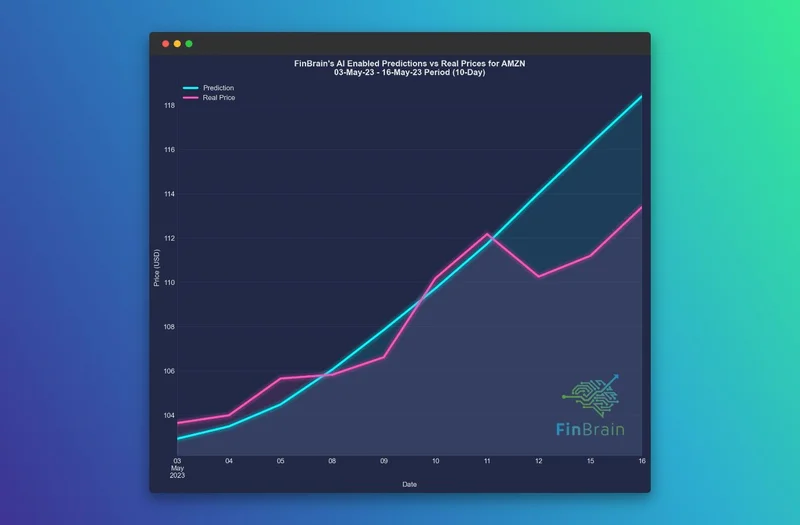
For months, the narrative surrounding Amazon has been one of anxiety. In the great AI arms race, `AMZN stock` was perceived as the laggard among the hyperscalers. While Microsoft (`MSFT`) had its OpenAI partnership and Google (`GOOG`) was pushing Gemini, Amazon’s strategy felt less defined, its AI story murky. Wall Street was asking a simple question: In a world being rebuilt by artificial intelligence, was Amazon Web Services (AWS) losing its grip? The concern was quantifiable, with analysts setting a clear benchmark for success: AWS growth needed to hit at least 19% to signal a turnaround.
Then the numbers dropped. AWS didn’t just meet the bar; it cleared it with a reported 20% growth. That single data point changed the entire narrative. This wasn’t just a beat; it was a statement. This is the part of the report that I find genuinely telling. The market wasn’t just reacting to the revenue figure itself, but to what it represented: a decisive answer to the cloud question. The AWS engine, after a period of perceived sputtering, was re-igniting.
Digging deeper, the report revealed an even more potent catalyst. The business for their custom Trainium 2 AI chips, which Amazon rents to customers, is now a multi-billion dollar operation that jumped an astonishing 150% quarter-over-quarter. This isn't just about renting out server space anymore. Amazon is now aggressively competing in the foundational hardware layer, a direct challenge to the dominance of players like NVIDIA (`NVDA`). The strategy is clear: attract AI companies like Anthropic not just with capacity, but with custom, high-performance silicon. The lingering question, of course, is the complexity of these relationships. Anthropic announced a major commitment to Amazon's chips this week, only a week after announcing a similar deal with Google. This suggests a multi-cloud reality where even key partners are hedging their bets. But for now, the sheer velocity of AWS's growth and the explosion in its custom chip business have provided the hard data needed to silence the skeptics.
The Inevitable Gravity of the iPhone Upgrade
While Amazon was fighting an infrastructure war, Apple was executing a maneuver of an entirely different kind. `AAPL stock` initially stumbled after its report, a reaction to a very slight miss on iPhone sales in the prior quarter. For a moment, the bears felt vindicated. But the dip was fleeting, erased by a single piece of forward-looking guidance from CEO Tim Cook: Apple expects double-digit iPhone growth in the current quarter.
This is the Apple flywheel in its purest form. It’s not about a speculative technological arms race; it's about the simple, undeniable gravity of a hardware upgrade cycle. The narrative here is less about competing with `MSFT stock` on cloud spend and more about basic math. A massive cohort of consumers bought iPhones in 2020. Nearly five years later, that cohort is ready to upgrade. The demand, according to Cook, is so strong that they are struggling to keep up with shipments for the latest models.
The data supports this narrative. An early Counterpoint Research report indicated a significant year-over-year sales increase for the new iPhone—about 14%, or to be more precise, 14% in the first 10 days of sales in the US and China compared to its predecessor. This isn't a story about AI hype; it's a story about industrial-scale product management and ecosystem lock-in. Apple is a consumer products company, not a cloud company (though its high-margin Services division, which again outperformed, benefits directly from this hardware dominance).
Apple’s capital expenditure is a fraction of its tech peers for a reason. It isn’t building the foundational models for a new AI-driven world. Instead, it’s perfecting the primary device through which billions of people will eventually access those models. The question for Apple isn't whether it can win the AI race, but whether this predictable upgrade cycle is sustainable. Is the current surge a one-time echo of the 2020 sales boom, or does the company have enough incremental innovation to keep the flywheel spinning with the same force in 2026 or 2027? For now, the market is betting on the cycle.
Two Blueprints, One Bull Market
So, what’s the real story here? The market is rewarding two completely different, almost philosophically opposed, business strategies. Amazon is winning by embracing the chaos of the AI revolution, spending billions on infrastructure to become the indispensable landlord for a new digital frontier. Its path is capital-intensive, fraught with competitive risk, but offers explosive growth if it can maintain its lead. Apple is winning by asserting order, leveraging a mature ecosystem and a predictable consumer lifecycle with clinical precision. Its path is one of managed, high-margin growth, dependent not on speculative technology bets but on enduring brand loyalty. Investors lumping them into the same "Magnificent 7" basket are ignoring the fact that while both are generating immense wealth, they are building it with entirely different blueprints. One is a bet on the digital gold rush; the other is a bet on selling the most coveted pickaxes.