


You can almost picture it. Some poor algorithm at The Motley Fool, tasked with optimizing publication times, spits out an article on the morning of October 12, 2025. The headline practically glows with optimism, identifying three potential titans of the AI revolution: SoundHound AI, UiPath, and GitLab. The piece is a shot of pure dopamine for retail investors chasing the next big thing.
And then, you look at the ticker. The screen isn't glowing green with promise; it's a flat, unforgiving crimson. SoundHound (SOUN) is down 6.5%. UiPath (PATH) is bleeding nearly 8%. GitLab (GTLB) is off by almost 5%.
This is the kind of discrepancy that I live for. The market’s reaction wasn’t a panic, but a quiet, collective shrug. It suggests a deeper truth that a bullish article, by its very nature, is designed to overlook. The narrative says "buy," but the numbers are whispering something far more complex. So, let's turn down the volume on the hype and listen to what the data is actually telling us.
The Anatomy of Three Different "AI" Bets
At first glance, the three companies seem to fit a pattern of high-growth tech. But lumping them together under the single, monolithic banner of "AI" is an analytical error. It's like putting a biotech startup, a hospital administrator, and a pharmaceutical distributor in the same bucket called "healthcare." The label obscures more than it reveals. These are three fundamentally different wagers on the future.
First, you have SoundHound AI, the high-risk, high-reward moonshot. The numbers are intoxicating. Revenue last quarter was $42.7 million, a staggering 217% year-over-year increase. The company is aggressively expanding through acquisitions, bolting on companies like Amelia and Interactions to build what it calls a "digital employee." It’s a bold, all-in bet on a future dominated by voice-first conversational AI. But here’s the rub: that 217% growth is coming off a relatively small base, and the company is still burning cash. Management projects it will hit adjusted EBITDA profitability by the end of this year. I've analyzed hundreds of these forward-looking statements from growth-stage tech firms, and a promise of profitability just a few months away often carries more hope than mathematical certainty. Is this truly the inflection point, or is it a target set to appease a nervous market?
Then there's UiPath, the "great pivot." This isn't a startup; it's an established leader in robotic process automation (RPA) trying to catch the next wave. The company is transitioning from simple bots to what it calls "agentic automation," a collaborative system of AI, bots, and humans. The partnerships are top-tier—Nvidia, Alphabet, OpenAI. The collaboration with Snowflake to turn data insights directly into automated actions is strategically brilliant. But this is a defensive move as much as an offensive one. The core RPA market is becoming commoditized, and UiPath needs a new growth story. The question isn't whether they can build the tech; it's whether they can successfully reinvent their entire business model and convince their massive enterprise client base to come along for a much more complex—and expensive—ride.
Finally, we have GitLab, the quiet incumbent. Its story is one of methodical, almost boring, consistency. The company has posted revenue growth between 25% and 35% for eight straight quarters. Last quarter, revenue was up about 30%—to be more exact, 29%, hitting $236 million. The most important number, however, is its dollar-based net retention rate of 121%. This means that, on average, existing customers are spending 21% more with GitLab this year than they did last year (a key metric for any SaaS business). Its AI agent, "Duo," isn't a revolutionary new product; it's a powerful, sticky feature designed to make its core DevSecOps platform indispensable. GitLab isn't selling AI; it's using AI to deepen its existing moat.
A Flawed Correlation
The central analytical flaw in bundling these companies is the assumption that the "AI" component is the primary driver of value in each case. This is where we need to separate correlation from causation. The current news about artificial intelligence is so loud that it's easy to slap the label on anything and assume it imparts magical growth properties.
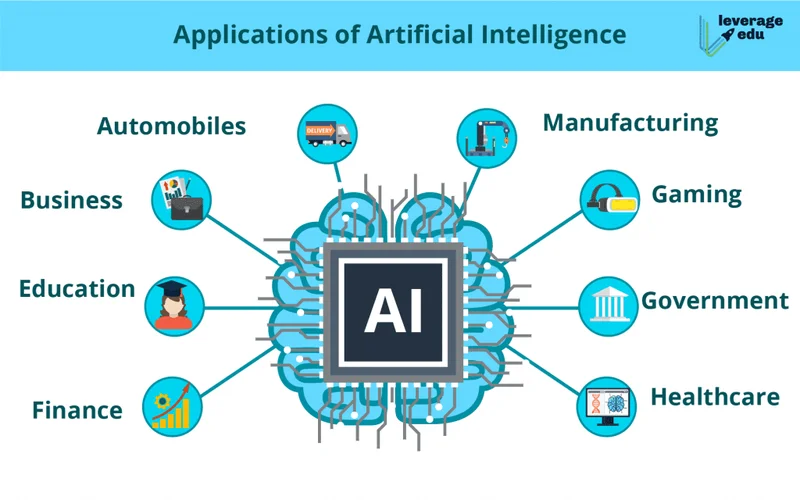
Let’s use an analogy. Calling all three of these "AI stocks" is like grouping a rocket engine startup, a global logistics company using GPS, and a car manufacturer adding lane-assist into a single "transportation" basket. For SoundHound, AI is the rocket engine. The entire business succeeds or fails on the strength of its core technology. For UiPath, AI is the new navigation and logistics system it desperately needs to upgrade its aging fleet of trucks. For GitLab, AI is a premium feature, like heated seats or a better sound system, designed to increase the value and stickiness of a car people are already buying.
This distinction is critical. How much of GitLab's stellar 121% retention rate is truly attributable to its new Duo agent versus the deep integration of its core platform into its customers' workflows? We don't have the data for that, and that uncertainty matters. Is UiPath's pivot to agentic automation creating a durable competitive advantage, or is it just chasing a trend in a field already crowded by hyperscalers and more agile startups? And can SoundHound's "digital employee" truly become a profitable enterprise before the cash runs out?
The market’s muted reaction on October 12th wasn't irrational. It was a sophisticated reading of these distinct risk profiles. It was the market saying that a single, exciting label doesn't magically align three very different business models, timelines, and probabilities of success.
A Tale of Three Timelines
So, what's the real story here? It's not about three hot AI stocks. It's about three entirely different investment theses being crammed into one convenient narrative.
SoundHound is a binary bet on a future that may or may not arrive. You're buying a lottery ticket where the jackpot is a paradigm shift in human-computer interaction. The 217% growth is just noise until it translates into a sustainable, profitable business model.
UiPath is a bet on a successful corporate reinvention. You're backing a proven management team to navigate a treacherous technological pivot. The big-name partnerships provide validation, but the execution risk is immense.
GitLab is the most conservative play. It’s a bet on a durable, sticky enterprise software company's ability to successfully upsell its existing, loyal customer base. The risk is lower, but so is the explosive, 100x upside that AI evangelists dream of.
The 3 Millionaire-Maker Artificial Intelligence (AI) Stocks article wasn't necessarily wrong, but it was incomplete. It sold a simple story of AI-fueled growth. The market, in its quiet, numerical wisdom, responded by pointing out that the timelines for these companies to deliver on that promise are wildly, fundamentally different. And in investing, timing isn't just a detail—it's everything.