


So they wheeled a king onto the stage at the Academy Museum.
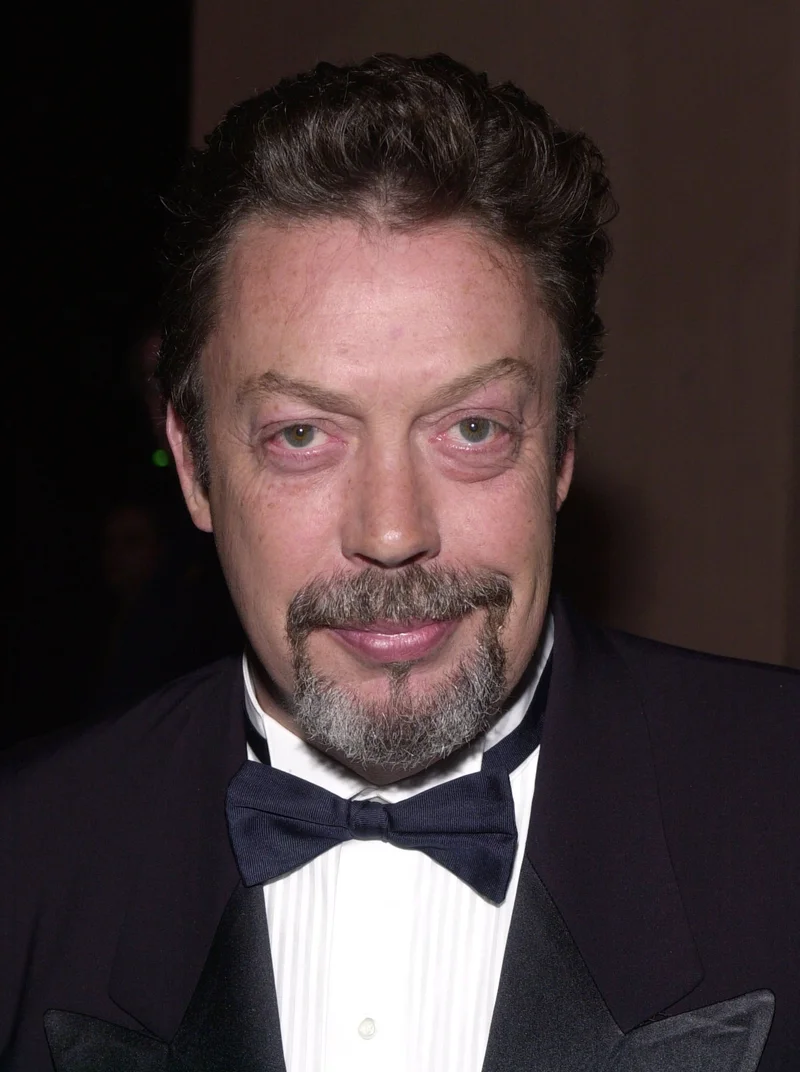
Let’s just get that out of the way. Tim Curry, age 79, rolled out in front of a sold-out crowd of freaks, weirdos, and cinephiles—all there to see a 50-year-old movie get a 4K facelift—and the place just erupted. A standing ovation that felt like it was trying to physically hold him up, to rewind the clock through sheer force of will.
And there he was. The man who was Dr. Frank-N-Furter, the sweet transvestite from Transexual, Transylvania. The man who strutted and preened and owned the screen with a supernova of sexual energy that still feels dangerous half a century later. He sat there, in a wheelchair, and told everyone he "still can’t walk." He talked about the "real problems with my left leg" from the stroke he had back in 2012.
It was brutal. Honest. And in that moment, the entire ridiculous, glorious, campy spectacle of The Rocky Horror Picture Show snapped into focus. This wasn’t some nostalgia-fest. This was a confrontation with time itself.
They're Selling Our Memories Back to Us, Now in 4K
You have to understand, the whole setup is absurd. The Academy Museum, this pristine temple of Hollywood self-congratulation, hosting a mob of people in fishnets and corsets, selling prop kits in the lobby so they can throw toilet paper at the screen. It's the definition of punk rock being sold at a chain store in the mall. They take this raw, chaotic thing and put it under glass. A 4K remaster. Sharper, cleaner, more perfect.
It’s the exact opposite of how Frank-N-Furter was born.
Curry told the story again. How he did his own makeup for the original stage show, aiming for a look he called "a back-street hooker." When the movie came around, they hired a professional, Pierre La Roche, who had just done Bowie’s makeup for Ziggy Stardust. Curry said he was "horrified" by the polished result. He wanted to "smudge it all."
That’s the whole point, isn't it? The smudge. The imperfection. The glorious, messy, human chaos. And here we are, 50 years later, watching a digitally scrubbed version while the man who created the chaos sits before us, his own body a testament to life’s smudges.
It’s like these studios are just strip-mining our memories for content. They can’t create anything new that sticks, so they just keep polishing the old stuff, making it shinier, louder, and charging us again for the privilege of remembering something that used to feel like ours. It ain't right. It’s the same goddamn business model as my internet provider.
Forget the Corporate Memo, This Is What "Be It" Actually Looks Like
The whole thing could have been depressing. A grim reminder that our heroes get old, that bodies break, that the fire eventually dims. But it wasn't. No, it was something else entirely. It was defiant.
Curry talked about the film’s central message: "Don’t dream it, be it."
Let's be real. In 2025, that line is pure corporate motivational poster fodder. It’s what some soulless HR drone puts on a slide during a mandatory team-building exercise. It’s been co-opted, sanitized, and stripped of all its transgressive power. We’re told to "be it" within a very narrow, acceptable, marketable set of parameters.
But seeing Tim Curry on that stage, hearing him speak with a slight slur but with the same sharp wit... it re-contextualizes everything. "Don't dream it, be it" stops being about putting on a corset and becoming a hedonistic alien. It becomes about the sheer, stubborn act of being. Of showing up. Of facing a world—and a body—that is "very limiting" and refusing to disappear.
He said the film gives "permission to behave as badly as they really want." That’s the part the motivational posters leave out. The bad behavior. The freedom. The beautiful, liberating mess of it all. He was proud of that. And he was proud that the LGBTQ+ audience embraced the film, saying it "means a lot" to him. Offcourse it does. He gave a voice and a face to something that was kept in the shadows.
Then again, maybe I'm the one overthinking it. Maybe I'm the crazy one here. I looked around at the audience. People who had seen this movie hundreds of times. They weren't there for a lecture on mortality. They were there for a ritual. They were there to shout the lines, to throw the rice, to do the Time Warp. They were there to participate in the mess. For two hours, they get to "be it," and maybe that's enough.
You Weren't Just Cheering for a Memory
There’s a great story Curry tells about how he was worried the role would kill his career. That he’d be Frank-N-Furter forever. But he recalled director Stephen Frears telling him something profound: "If you can play Frank-N-Furter, you can play anything."
It’s the ultimate irony. The role that could have been a prison became the master key. It proved he was fearless. It proved he had a range that defied gravity. And he did play everything. Pennywise, Darkness, Mozart. But he’s always Frank, too.
The night was about that duality. The audience was cheering for the 4K Frank on the screen—immortal, perfect, forever young. But they were also cheering for the 79-year-old Tim on the stage. The survivor. The man who is still, against all odds, being it. The applause wasn’t for a memory. It was for the man living in the here and now, smudges and all. And honestly, that’s a better story than any movie.
And the Standing Ovation Was For Both of Them ###
In the end, you realize they weren't just applauding a performance from 1975. They were applauding the man who made it, and the man he is today. One gave us permission to be whoever we wanted. The other is showing us how to simply be, even when it's hard. The performance never ended. It just got real.
Reference article source: