


The European poker circuit is a crowded marketplace. Every month, another festival promises life-changing money and a memorable experience. Most of these are just noise. But occasionally, the data points from a particular event series start to form a clear signal. The upcoming Malta Poker Festival Autumn, scheduled for late October at the Portomaso Casino, presents just such a case.
The headline figure is a €500,000 guaranteed prize pool across the series. The centerpiece is the €550 buy-in Grand Event. On the surface, these are solid, if not spectacular, numbers for a mid-stakes European festival. But context is critical. The last iteration of this event, the Spring festival, saw its Grand Event alone attract 1,202 runners. That single tournament generated a prize pool of €555,940, comfortably eclipsing the entire guarantee for the upcoming series.
This isn't a typo; it's a deliberate strategy. The advertised guarantee is not an ambitious target; it's a marketing floor so low it's virtually guaranteed to be smashed. It’s a classic tool to de-risk the event for players traveling to the island of Malta, assuring them of a baseline prize pool while creating headlines when the final number inevitably soars past it. The real question isn't whether the guarantee will be met, but by what multiple. Will the Autumn event show growth over the Spring's 1,202 entrants? That's the metric that matters.
Deconstructing the Player Funnel
A closer look at the schedule reveals a meticulously structured player acquisition and retention funnel. The €550 Grand Event offers seven starting flights, a clear attempt to maximize entries by offering maximum flexibility. It even kicks off with a discounted Day 1A at a special price of €400. This is a simple, effective loss-leader designed to get players in the door and committed to the festival early.
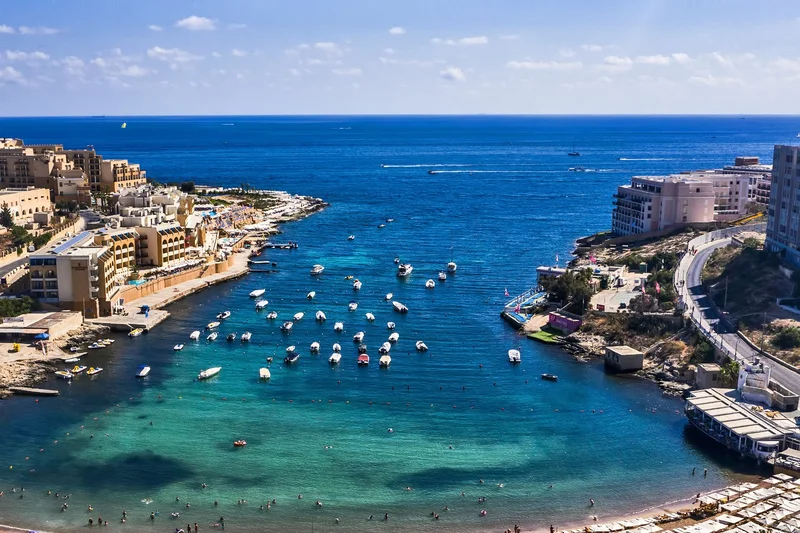
Once players are on-site in Malta, Europe's popular poker destination, the schedule functions as an ecosystem designed to capture every available euro of a player’s bankroll. It’s not just a collection of tournaments; it’s a calculated portfolio. You have the anchor product (the Grand Event), the high-margin aspirational products (the €1,000 UDSO Gold Highroller and the €1,400 Super Highroller), and a dense slate of what I’d call "churn events." These are the lower buy-in tournaments like the €150 Bounty Hunter, the €235 Scandinavian Open, and a dozen others priced between €120 and €300.
I've analyzed hundreds of tournament schedules, and this is where the Malta Poker Festival's strategy becomes particularly clear. The inclusion of niche mixed games like a €140 Sviten Special and a €120 H.O.R.S.E. event isn't about generating massive prize pools. It's about signaling to every segment of the poker-playing public that there is something for them. It prevents players who have busted the main event from leaving the casino. Instead, they are funneled directly into another event, keeping the ecosystem's liquidity flowing. It’s the poker equivalent of a retail store’s inventory management, ensuring no shelf space—or time slot—goes un-monetized.
A Model Built on Volume, Not Prestige
The data from the Spring festival’s final table provides another crucial insight. The last eight players hailed from Italy, Germany, the United Kingdom, Norway, and North Macedonia. This isn't a local tournament; it's a pan-European affair. This broad appeal is the festival’s greatest asset. It draws from a massive, fragmented market of recreational players who view the trip as a "poker vacation." They aren't professionals hunting for massive scores; they are enthusiasts looking for a well-run, enjoyable experience with a reasonable shot at a decent payday.
The victory of Italy's Aurelio Vallone, who came back from just four big blinds to win €94,600 (after a heads-up deal), is the perfect marketing narrative for this demographic. It’s the story of an emotional, improbable comeback that reinforces the "anyone can win" dream. It’s an anecdote, yes, but it’s a powerful one that fuels the entire economic engine of festivals like this.
So, what does this all point to for the upcoming Autumn edition? The model is proven. The target demographic is established. The schedule is optimized for maximum player engagement. The primary variable is execution. Can the organizers replicate the success of the Spring event and, more importantly, demonstrate growth? The number of entrants in the Grand Event will be the single most important data point to emerge from the festival. Surpassing the previous 1,202 entrants—to be more exact, hitting something closer to 1,300—would signal a healthy growth trajectory. Anything less might suggest market saturation or increased competition.
The festival is not trying to compete with the high-roller prestige of other tours. It’s a volume business. It’s like a well-run factory, efficiently processing a high volume of players through a carefully designed system. The product isn't life-altering wealth; it's a week of poker action in the Mediterranean sun. And based on the numbers, it's a product in high demand.
The Forecast Is Clear
The Malta Poker Festival has found a clear inefficiency in the market: the demand for a large-scale, professionally run poker vacation that doesn't require a five-figure bankroll. The structure isn't accidental; it's a data-driven model designed to maximize attendance and on-site spending. While other tours focus on top-tier pros and record-breaking prize pools, this festival has correctly identified that the financial core of the poker world is the recreational player. All indicators suggest the Autumn festival will be another success. The only remaining question is the magnitude.