


Trump-Era Student Loan Changes: A Cautionary Tale or a Necessary Course Correction?
Alright, let's dive into this whirlwind of student loan news coming out of the tail end of the Trump administration. On one hand, we're seeing a resumption of loan forgiveness for some, which is fantastic! On the other, new restrictions are popping up that could leave folks working for nonprofits – especially those supporting vulnerable communities – out in the cold. It feels like a tug-of-war, doesn’t it?
The Shifting Sands of Student Debt
The sheer scale of student loan debt in this country is staggering – over $1.6 trillion! I mean, that's a number that's hard to even wrap your head around. And while about half of borrowers are managing to stay on track, there's a significant chunk of people, particularly those who didn't finish their degrees or went to for-profit schools, who are really struggling. It's a heavy weight, and it impacts everything from their ability to buy homes to starting families.
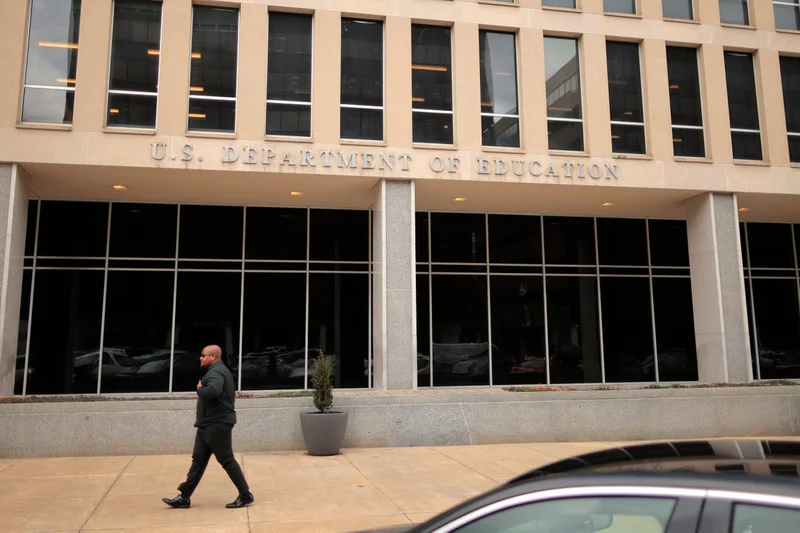
Now, the Trump administration's moves are adding another layer of complexity to an already convoluted system. The Education Department is starting to process forgiveness applications again, which is a win. But then they're also saying that if your employer has a "substantial illegal purpose" (as they define it), you might be SOL when it comes to loan forgiveness. And that includes organizations helping immigrants or transgender youth. Seriously?
It's like they're using student loan forgiveness as a political weapon.
This also makes it harder for organizations that help vulnerable communities to attract and retain staff. The American Federation of Teachers even had to sue to get loan forgiveness reinstated for eligible borrowers! It's a mess, frankly. A confusing, frustrating mess that leaves people hanging in the balance. People who dedicated their lives to public service careers.
And here's the kicker: beginning in 2026, most student loan debt forgiveness will be taxable as income. Can you imagine the shock of finally getting that debt wiped clean, only to get hit with a massive tax bill? Thankfully, there are exceptions for public service workers and those affected by college closures or fraud.
What does this mean for you, the student or recent grad trying to navigate all of this? Well, if you're already on an income-driven repayment plan, keep doing what you're doing. If you're struggling with payments, explore those income-driven options! Starting in 2026, there's even a new repayment assistance plan coming online.
Now, this isn't just about those already saddled with debt. If you're considering going to college or grad school, pay attention! The tax breaks and spending cuts bill signed in July 2025 modestly reduced lifetime federal debt limits for graduate degrees.
And if you're dreaming of a public service career with loan forgiveness as your reward, proceed with caution. The rules are changing, and not necessarily in your favor. Make sure you're annually certifying your employment and keeping meticulous records. It's a bit of a hassle, but it could save you a lot of heartache down the road.
I remember reading a comment on a Reddit thread about all this. One user wrote, "It feels like they're moving the goalposts every five minutes! How are we supposed to plan our lives when the rules keep changing?" And honestly, that's exactly how I feel.
It’s difficult to plan your future when you don’t know what to expect.
The US Department of Education has reached a pivotal milestone in reshaping the nation’s student loan picture, finalizing consensus on sweeping reforms under the One Big Beautiful Bill Act (OBBBA). The Reimagining and Improving Student Education (RISE) Committee, after intensive deliberations over September and November, agreed on a comprehensive framework to simplify repayment, cap excessive borrowing, and impose greater accountability on higher education institutions. US Education Department finalizes major student loan reforms, capping graduate borrowing and simplifying repayment The RISE Committee reviewed 17 regulatory provisions, including revisions to the RAP and the definition of a professional student. In response to recommendations from committee members, the Department refined its proposed regulations in over a dozen areas, reflecting a careful, collaborative policy-making process. This approach is mandated under Section 492 of the Higher Education Act, which requires public input and stakeholder engagement prior to formal rulemaking.
Imagine a world where universities are held accountable for their tuition costs and program outcomes. A world where students aren't drowning in debt to finance degrees that don't lead to meaningful careers.
Beginning July 2026, graduate students will be limited to $20,500 per year, with a lifetime maximum of $100,000, while professional students will be capped at $50,000 annually and $200,000 in total. The previous system allowed borrowing up to the cost of attendance, often incentivizing expensive programs with limited financial return.
A Future of Clarity and Fiscal Discipline
It's a long road ahead, no doubt. But with careful planning, a healthy dose of skepticism, and a commitment to holding our institutions accountable, we can navigate these shifting sands and build a brighter, more equitable future for all.