


Okay, folks, buckle up. Because what I’m about to tell you isn’t just about robots; it’s about a potential revolution in how we live, work, and even think about society.
The Optimus Promise
We’ve all seen the headlines. Elon Musk, never one to shy away from audacious claims, is now saying that Tesla's Optimus robot will "eliminate poverty." Yeah, I know, it sounds like something straight out of a sci-fi novel, doesn't it? But before you roll your eyes, let's really think about this.
Musk envisions a world where Optimus robots, costing perhaps $20,000 to $30,000 each, can perform tasks with five times the productivity of a human worker, operating 24/7. And he said that it will happen, trauma and disruption along the way, but it will happen. What does this actually mean? It means a world of "sustainable abundance," as outlined in Tesla's Master Plan Part IV. Think about it: goods and services produced at a fraction of the current cost, accessible to everyone.
Now, I know what some of you are thinking. "Robots taking our jobs? That sounds like a nightmare!" And, yeah, that's a valid concern. The transition will undoubtedly be bumpy. But Musk himself acknowledges this, predicting "trauma and disruption along the way." But what if that disruption leads to something better? What if it frees us from the drudgery of labor, allowing us to pursue our passions, creativity, and personal growth?
This isn't just about economics; it's about human potential. Imagine a world where work is "optional," as Musk suggests, "like growing your own vegetables, instead of buying them from the store." What would you do with your time? What problems would you solve? What art would you create?
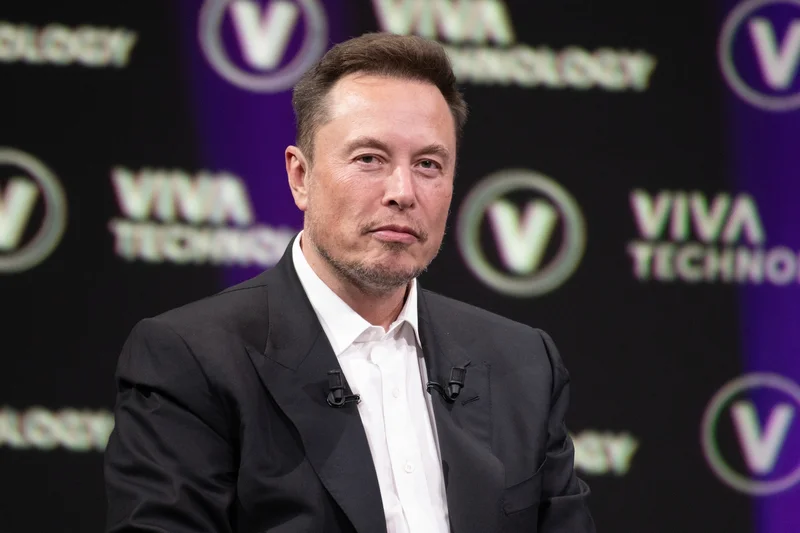
I think this is the kind of breakthrough that reminds me why I got into this field in the first place.
And it’s not just Musk painting this picture. Sam Altman, even though friend-turned-foe, ran a pilot program studying basic income in 2024. Others like Facebook’s Chris Hughes and eBay founder Pierre Omidyar have expressed support for UBI. This concept of universal basic income isn’t some fringe idea anymore; it's gaining serious traction.
The "Big Idea" here? That AI and robotics, implemented thoughtfully, could actually lead to a more equitable and fulfilling society. It’s an audacious vision, no doubt, but one worth exploring.
Of course, this raises some profound ethical questions. How do we ensure that this technology benefits everyone, not just a select few? How do we address the potential for job displacement and economic inequality? What about the psychological impact of a world without work? These are questions we need to be asking now, before this future becomes a reality.
But maybe, just maybe, Musk is onto something. Maybe this isn't just about building robots; it's about building a better future for humanity. Why human-shaped robots loom large in Musk's Tesla plans
A Glimpse of a Radically Different Tomorrow
Because here’s the thing: we're not just talking about incremental improvements; we're talking about a potential paradigm shift. So, what does this all mean? It means we need to start thinking differently about work, about value, and about our place in the world. The future is coming, folks, and it's arriving faster than we think.